Genre: Psychological Horror, Puzzle, Narrative
Platform: PC / Consoles
Target audience: Players who enjoy horror that makes you question what you see, not just jump scares, with mechanics that force you to observe and think before acting.
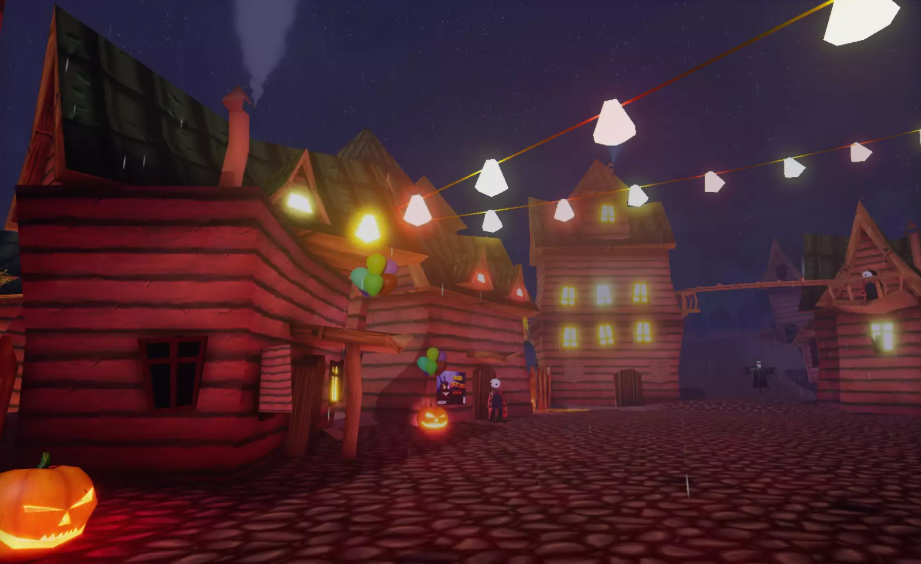
Game description: Halloween... the scariest night of the year. Children laughing everywhere, elaborate costumes, decorations, scares, and lots of candy... traditional things associated with this time of year flooded the place. Everything was going smoothly and normally... until a blackout enveloped the streets in darkness.
At first, it seems like a normal blackout, after all, they are sudden and common occurrences, until you notice something strange. The pumpkins that dimly lit the streets with their flames weren't the only thing reflected on the streets... they also cast shadows that moved on their own, as if they were people. Some look normal and friendly, helping you find the right paths so you don't get lost in the shadows, but others behave strangely, as if they were alive. These shadows could take any form, making it difficult to know what to believe and what not to believe. What could be an innocent child crying in fear could turn into something aggressive and terrifying in a matter of seconds.
The player questions what to trust. They must be constantly aware of their surroundings, as shadows and different signs can be their salvation or their downfall
Main mechanics:
Objective and endings:
The main objective of the game is to survive the night and discover the cause of the blackout and the origin of the strange pumpkins. The decisions the player makes during the course of the game will influence their final fate:
This game is not only about learning to differentiate between truth and falsehood, but also about showing what kind of person you are when fear puts you to the test.
Image credits: https://store.epicgames.com/es-MX/p/halloween-world-187b24
Genre: Puzzle
Platform: VR (Meta Quest, PCVR)
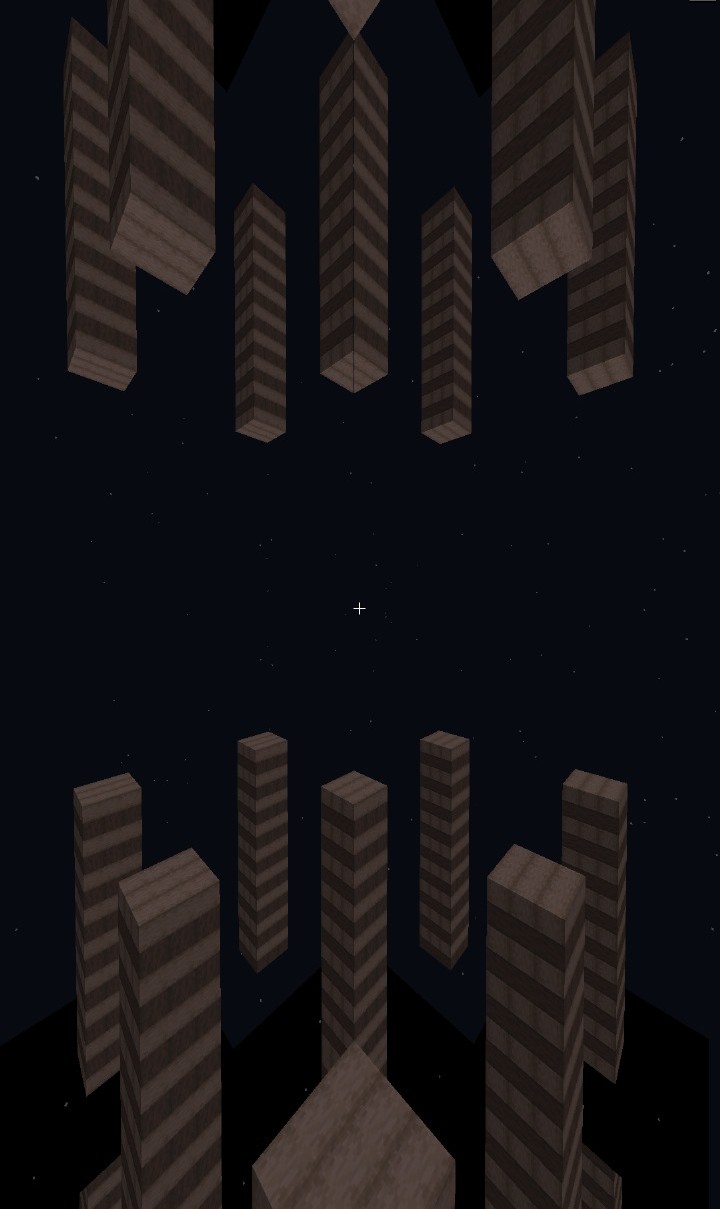
Target Audience: 5D Jenga VR is designed for players looking for tension, skill, and strategy in virtual reality. The idea is to combine physical precision with time and multiverse mechanics. It's an ideal game for those who want a different challenge than classic Jenga and enjoy planning moves in multiple dimensions simultaneously.
Game Description: 5D Jenga takes the classic board game and transforms it into virtual reality, but goes beyond simple block balancing. Here, there's not just one 3D tower, but several that exist in different times and realities. Every move has consequences in more than one dimension, making strategy key in each game.
The game design is based on levels that the player can choose, each with a different challenge:
• Classic Tower: At the beginning, the player faces a traditional Jenga tower in VR. Here, they learn to manipulate blocks with precision.
• Future Tower: The player selects a block they want to remove, and the future tower shows a possible scenario if it is removed carefully. This tower can show risks such as micro-collapses.
o It's important to note that the future tower acts as a guide or clue. If it collapses, the game is not lost, but it is a warning that the block is risky.
• Parallel Towers: In more advanced levels, additional towers appear around the player. Some pieces are connected, so moving one in one tower automatically affects another. Each parallel tower has physical variations such as micro-collapses, interlocking blocks, or Interlocking critical blocks, requiring planning in several at the same time.
• 5D Challenge: In the most difficult stages, present, future, and parallel towers are combined. Keeping them all in balance requires precision, strategy, and anticipation at a multiversal level.
Objective: Keep all towers in balance at the same time. If the current tower or one of the parallel towers falls, the game is lost. The future tower does not cause defeat, as its function is only to serve as a guide.
Implemented Block Variations:
• Micro-Collapse: This happens when you move a block and it slightly displaces nearby blocks. This can cause a domino effect and destabilize the tower.
• Interlocking Blocks: They are connected to another tower. When moved, they automatically affect that other tower. This forces you to consider moves that affect multiple towers at the same time.
o Only on parallel towers and 5D Challenger.
• Interlocking Critical Blocks: These are a combination of interlocking Blocks and micro-collapse. If you move them, they not only disrupt other towers but can also cause collapses within the current tower. This increases the difficulty and requires more careful planning.
o Only on parallel towers and 5D Challenge.
• Variable Weight: Some blocks weigh more or less, which changes the physics when moved. This only applies to parallel towers and the current tower.
Image credits: created by my friend reku on Minecraft (This man is a genius)
Género: Puzzle, Exploración, Aventura
Plataforma: PC / Consola
Público objetivo: El juego está pensado para quienes disfrutan de puzzles creativos y diferentes, con mecánicas que te hagan pensar desde otra perspectiva. Principalmente está dirigido a jugadores que no solo quieran explorar, sino tomar decisiones que pueden cambiar el mundo.
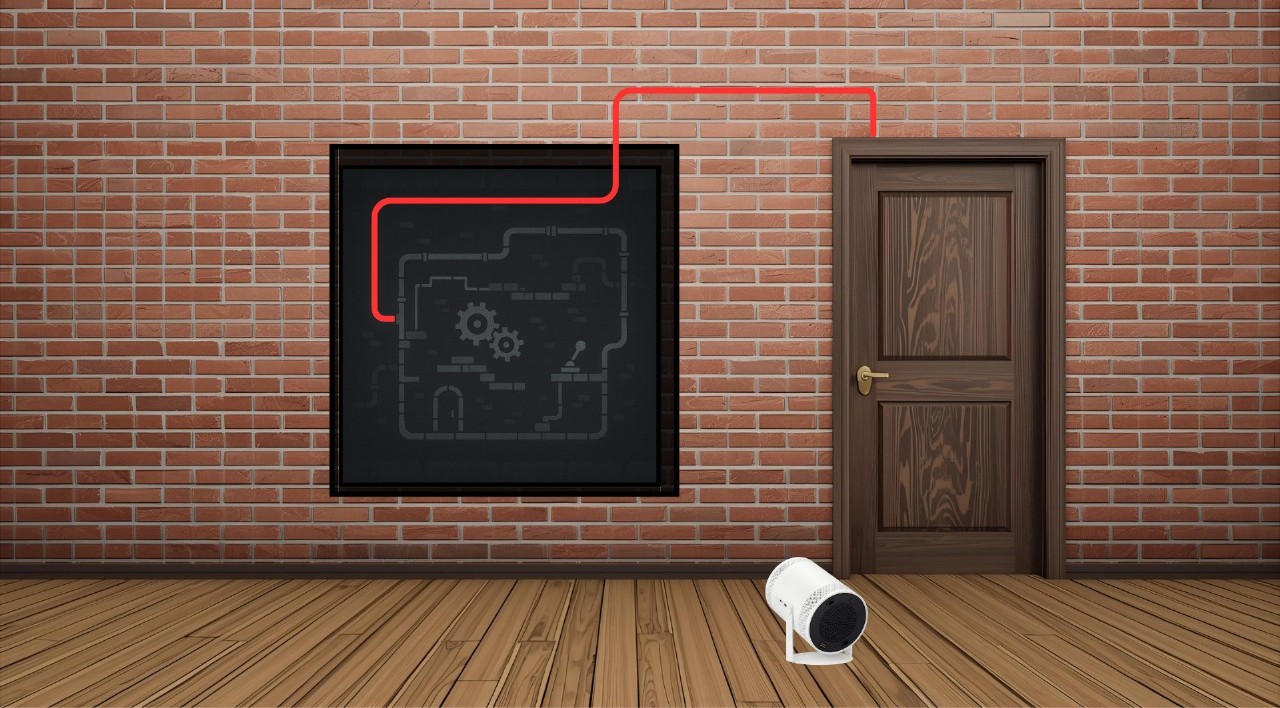
Descripción del juego: Imagínate que estás explorando un mundo 3D y tienes la oportunidad de ver lo que está escondido dentro de las paredes o de los objetos. Para eso usas un proyector de rayos X que no solo te muestra lo que hay dentro, sino que además te permite entrar como si estuvieras en un juego 2D.
Al hacerlo, lo que antes parecía solo una proyección se convierte en un mapa interno con puzzles que resolver, como por ejemplo conectar circuitos, mover piezas o abrir caminos que no se ven desde afuera. Toda acción que hagas estando en la proyección 2D cambia el mundo 3D, y lo que muevas o actives en el 3D también altera lo que verás después en el 2D.
Por ejemplo, imagina que te encuentras con una puerta cerrada en el mundo 3D y a un lado hay una marca sospechosa, así que decides usar el proyector. Al activarlo, se logra ver el mecanismo interno de la puerta. Al colocarte al frente del proyector entrarás en ese mundo, donde tendrás que resolver unos puzzles para poder abrirla. Una vez que lo logras, la puerta se desbloqueará en el 3D.
En otros casos tendrás que regresar al mundo 3D para activar un generador o accionar un interruptor. Al regresar al 2D, las rutas internas estarán actualizadas. Además, el mundo 2D puede mostrar mensajes ocultos, recuerdos o partes de la historia.
Lo interesante está en aprender a moverse entre las dos perspectivas, ya que en el mundo 3D tienes la libertad de explorar y descubrir, mientras que el 2D te obliga a pensar con más lógica y analizar la situación.
Créditos de imagen: creada por reku, amigo mío, en Canva.