Genre: Naval Warfare, Action, Vehicular Combat.
Platform: PC, Xbox Series X/S, PlayStation 5.
Target Audience: Players aged 16-40 who enjoy high stakes, skill-based vehicular combat, deep customization, and competitive multiplayer.
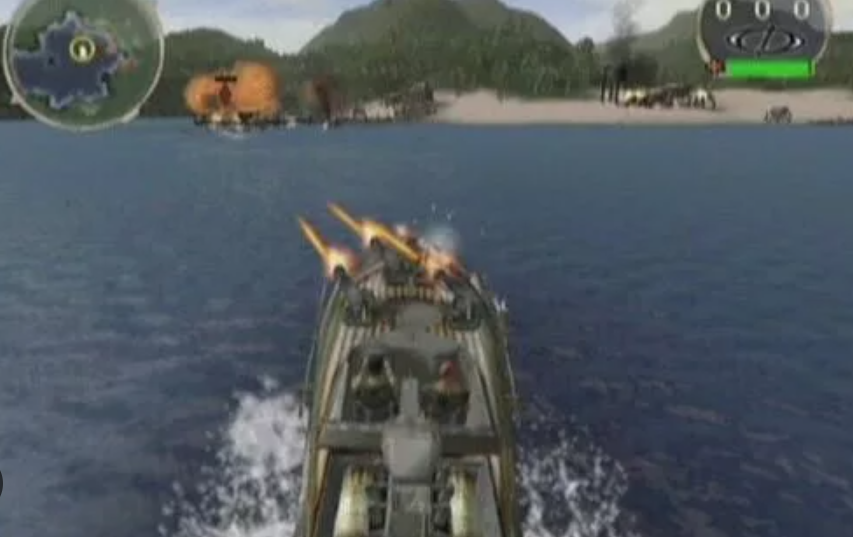
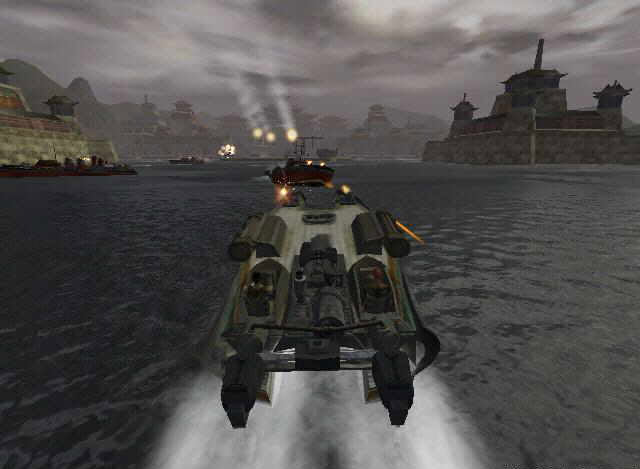
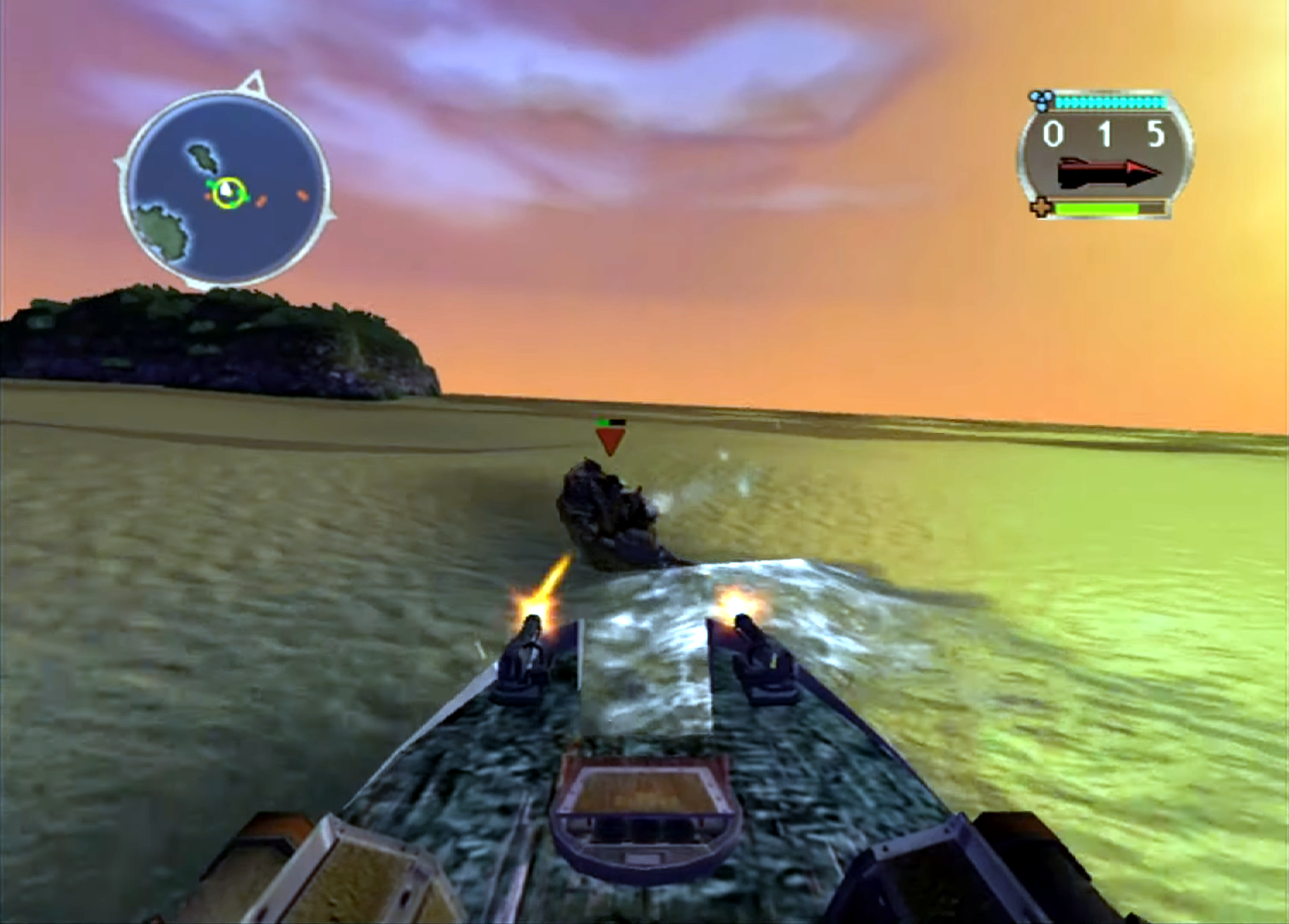
"Sea of bullets" is an energetic and chaotic multiplayer naval combat game set in the treacherous, war-torn waters of the Horn of Africa. Players take control of heavily armed and customizable combat boats, engaging in intense battles across a variety of game modes. The core experience is built on fluid, fast-paced combat, strategic boat customization, and mastering the dynamic maritime environment.
A realistic, high-fidelity art style is ideal. Water physics and rendering are a central focus, with realistic wave simulation, dynamic foam, and stunning lighting effects from explosions and tracer fire. Boats show realistic damage models, with scorch marks, broken components, and progressive flooding affecting performance.
The depth of the customization includes things like boat color, hull, weapons, engines, and defenses. players must mix and match components to make the ultimate war boat.
references: Blood Wake (Xbox)
Genre: Puzzle
Platform: VR (Meta Quest, PCVR)
Target Audience: 5D Jenga VR is designed for players looking for tension, skill, and strategy in virtual reality. The idea is to combine physical precision with time and multiverse mechanics. It's an ideal game for those who want a different challenge than classic Jenga and enjoy planning moves in multiple dimensions simultaneously.
Game Description: 5D Jenga takes the classic board game and transforms it into virtual reality, but goes beyond simple block balancing. Here, there's not just one 3D tower, but several that exist in different times and realities. Every move has consequences in more than one dimension, making strategy key in each game.
The game design is based on levels that the player can choose, each with a different challenge:
• Classic Tower: At the beginning, the player faces a traditional Jenga tower in VR. Here, they learn to manipulate blocks with precision.
• Future Tower: The player selects a block they want to remove, and the future tower shows a possible scenario if it is removed carefully. This tower can show risks such as micro-collapses.
o It's important to note that the future tower acts as a guide or clue. If it collapses, the game is not lost, but it is a warning that the block is risky.
• Parallel Towers: In more advanced levels, additional towers appear around the player. Some pieces are connected, so moving one in one tower automatically affects another. Each parallel tower has physical variations such as micro-collapses, interlocking blocks, or Interlocking critical blocks, requiring planning in several at the same time.
• 5D Challenge: In the most difficult stages, present, future, and parallel towers are combined. Keeping them all in balance requires precision, strategy, and anticipation at a multiversal level.
Objective: Keep all towers in balance at the same time. If the current tower or one of the parallel towers falls, the game is lost. The future tower does not cause defeat, as its function is only to serve as a guide.
Implemented Block Variations:
• Micro-Collapse: This happens when you move a block and it slightly displaces nearby blocks. This can cause a domino effect and destabilize the tower.
• Interlocking Blocks: They are connected to another tower. When moved, they automatically affect that other tower. This forces you to consider moves that affect multiple towers at the same time.
o Only on parallel towers and 5D Challenger.
• Interlocking Critical Blocks: These are a combination of interlocking Blocks and micro-collapse. If you move them, they not only disrupt other towers but can also cause collapses within the current tower. This increases the difficulty and requires more careful planning.
o Only on parallel towers and 5D Challenge.
• Variable Weight: Some blocks weigh more or less, which changes the physics when moved. This only applies to parallel towers and the current tower.
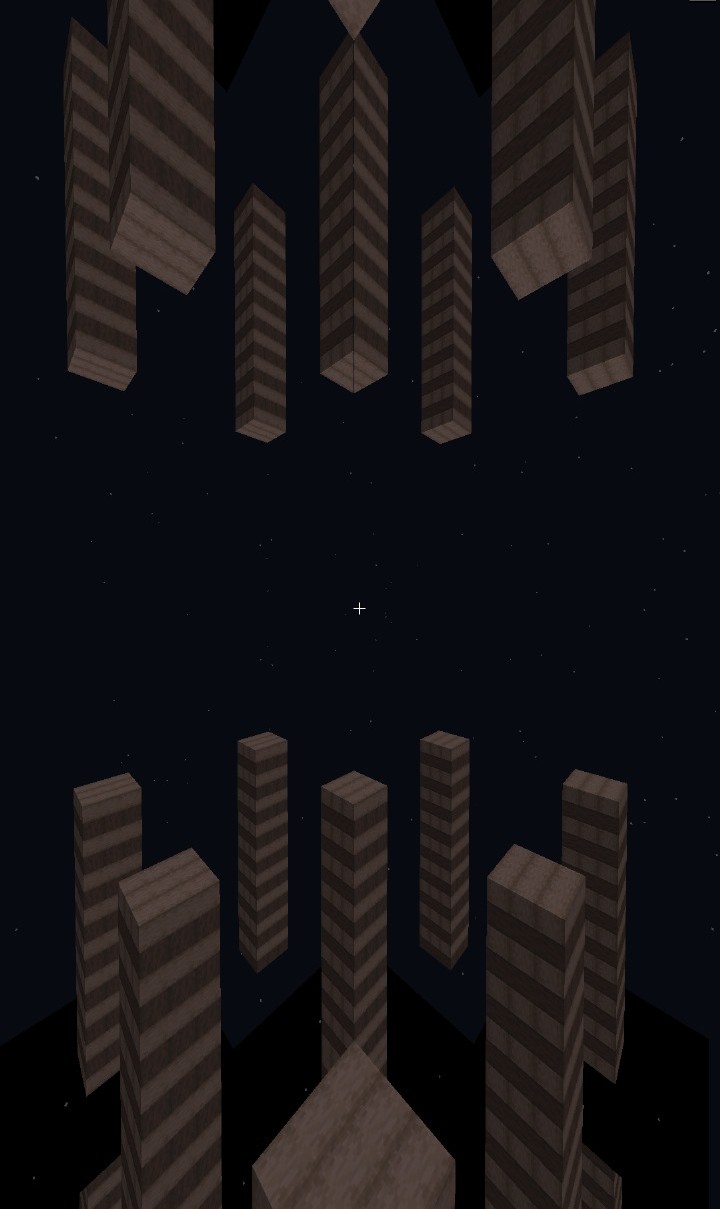
Image credits: created by my friend reku on Minecraft (This man is a genius)
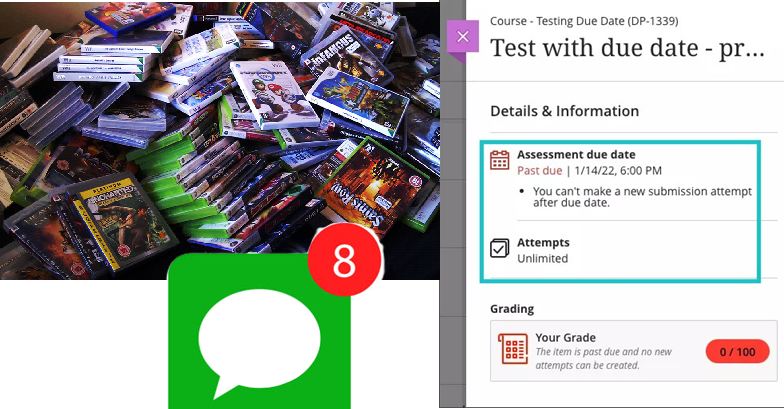
Genre: idler, simulator
Platform: PC
Target Audience: People who like seeing a number go up.
Game Description: The goal of the game is to do nothing, but not just any kind of nothing. You have to do nothing BIG TIME. To achieve this, you must accumulate a wide range of activities to neglect, such as:
The more activities you collect and never complete, the faster your Procrastination Meter rises.
Game Mechanics: As real time passes, the Procrastination Meter increases every second. However, the Anxiety Meter also rises simultaneously. Anxiety acts as a kind of currency that you spend to unlock more activities to neglect.
If the Anxiety Meter reaches 100%, you lose the game.
Game References: Candy Box 2, Cookie Clicker.